
Strategists in Beijing have long viewed friction in the Middle East opportunistically, on the assumption that American entanglement there would limit Washington’s bandwidth to contest events or trends elsewhere. The 2026 war has complicated that…

As Beijing increasingly implements intelligentized warfare, the risks facing the United States are very real. Mitigating risks in this domain requires revitalizing U.S.-China discussions on cyber and AI (official bilateral discussions over the latter that…
Today, the CCP poses a powerful challenge to the United States, its allies and partners, and all other states that want to decide their own futures, because there is no clear boundary or limits to the CCP’s objectives or its appetite. The future of China may still be uncertain and there will doubtless be opportunities to influence how it unfolds. The…

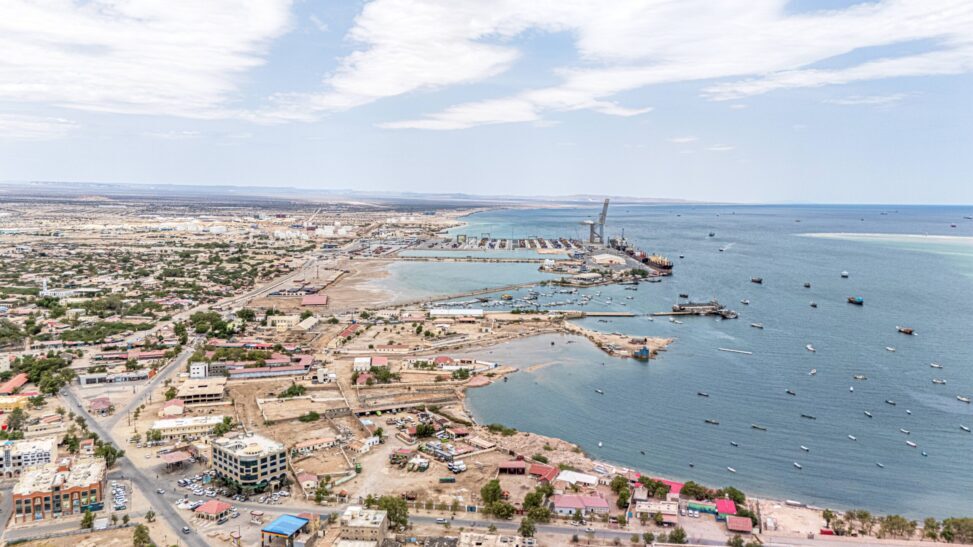
China regularly refers to itself as a “near-Arctic state,” a formulation which was mocked by many in the West when it was first…
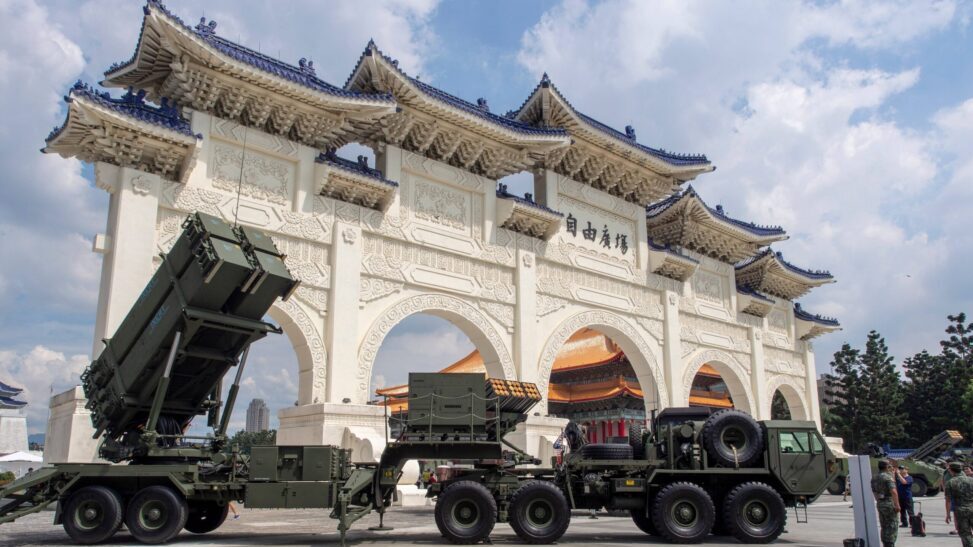
Should the United States prioritize the defense of Taiwan? Leading experts debate the issue.
In August, Amb. Ross sat down with Statecraft & Strategy Associate Editor Calla O’Neil to discuss the conflict in Iran, how U.S. objectives have changed during the course of the war, and its impact on other regional players, including the Gulf Cooperation Council states, Israel, and Lebanon.

In his day, the Greek philosopher Heraclitus famously noted that “change is the only constant.” That axiom has held true for centuries. Even so, today’s geopolitical changes stand out for their speed, depth, and reach.
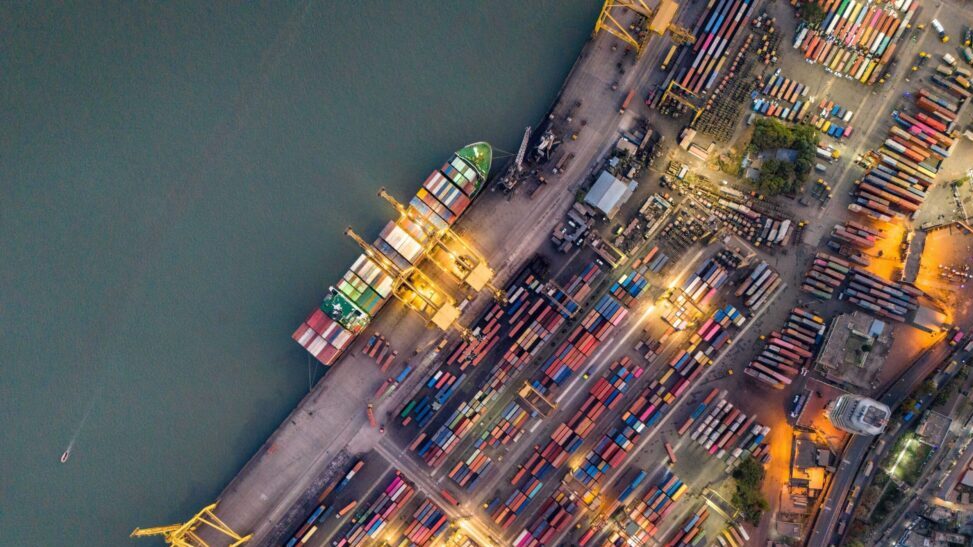
Today, the Bay of Bengal is still an arena in which the regional balance can be actively shaped. Washington has already built an India policy and a Pacific denial strategy. It now needs to construct the connective tissue between them: an approach to the western Indo-Pacific that gives it more regional options, provides smaller states with credible alternatives to partnership with Beijing, and contests China’s southwestern access.
Receive quarterly access to original analysis on international power, security, and diplomacy. Each issue brings together leading scholars, practitioners, and policymakers to examine strategic themes with rigor and intellectual independence.